
Articles
What Is Shatter? A Canadian Guide to the Glassy Cannabis Concentrate
Nov
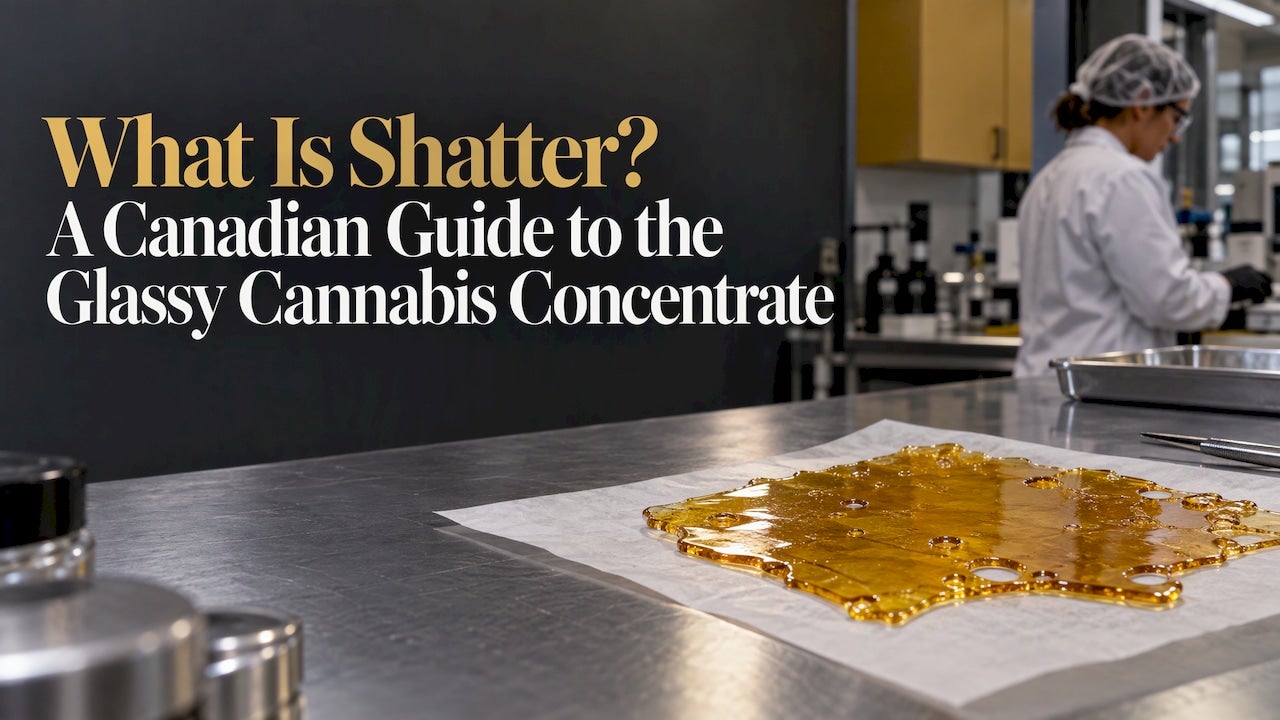
Shatter is a solid, glassy cannabis concentrate: a thin, translucent, amber sheet that snaps when you break it, made by pulling THC and aroma compounds out of the plant with a solvent. The First Nations Health Authority describes it in the same terms, and it is far stronger than flower, so a small amount, a slow start and careful storage matter. This guide covers what shatter looks like, how it is made, how strong it is, how people use it and how to keep it. Our concentrates range is where Canadian shoppers can browse it: Cannabis Concentrates at FV Buds.
TL;DR
- Shatter is a brittle, translucent, glass-like concentrate made with a solvent such as butane or propane, then purged of that solvent.
- Concentrates range from 40 to over 90 per cent THC, against about 20 per cent in flower, so portions are measured in tiny amounts.
- Start with a grain-of-rice-sized amount and wait before taking more.
- Never try to make it at home: the solvents involved are explosive, and using them is illegal in Canada.
- Store it cool, sealed, in a child-resistant container, inside a lockbox.
Table of Contents
- What shatter is and what it looks like
- How shatter is made
- How strong is shatter?
- Ways people use shatter
- Handling shatter: a practical routine
- Choosing shatter you can trust
- What changed in Canadian rules recently
- Our perspective
- Where to find shatter and related products
- FAQ
- Sources
What shatter is and what it looks like
Cannabis concentrates are products in which the active compounds of the plant are separated from the leaf and stem material. What remains is a much denser product than flower. Shatter is one texture of concentrate, alongside wax, budder, resin, hash and oils.
The name describes the physical behaviour. Shatter hardens into a stable, brittle sheet. It is usually clear to amber in colour, like a piece of hard toffee or a pane of tinted glass. If you flex a thin piece or drop it, it cracks rather than bends. That is the main visual difference from wax or budder, which are opaque and crumbly or creamy, and from sauce or live resin, which stay soft and grainy.
Colour is not a quality score on its own. Lighter golden shatter often reflects the starting material and how carefully the extract was handled, but you judge a batch by its lab-tested THC and terpene information, the producer’s reputation and the reviews of buyers who have used it. On our product pages we list product details and customer reviews so you can compare before you order.
Why it is called shatter
The term comes straight from how the material breaks. Some people also call it “glass” for the same reason, and you will see it sorted alongside other concentrates by consistency. If a listing says shatter, you should expect a hard, see-through slab, not a soft or crumbly product.
How shatter is made
The short version: a solvent strips cannabinoids and terpenes from plant material, then the solvent is removed and the extract is set into its glassy form.
- Starting material. Cannabis flower or trim is loaded into a closed extraction system.
- Extraction. A solvent, typically a hydrocarbon such as butane or propane, runs through the material and carries the cannabinoids and terpenes with it. This is what makes shatter a butane hash oil (BHO) type of product.
- Purging. The solvent is removed from the extract, usually with controlled heat and vacuum. A thorough purge is what leaves a clear, stable, brittle sheet and low residual solvent.
- Setting. The purged extract cools and hardens into a sheet that is then broken up and packaged.
The Canadian Centre on Substance Use and Addiction (CCSA) explains that extracts such as wax and shatter are made with complex laboratory equipment and chemical solvents, and that residual solvent can remain in the final product. That is why the purge and the testing matter so much.
For a deeper walk through origins and production, see our own long-form guides: the in-depth shatter guide and a deep dive into cannabis shatter.
Why you should never make it at home
This is the one place where curiosity can turn dangerous. Butane and propane are highly flammable gases that pool in low spaces and ignite from a spark. Health Canada states that it is illegal in Canada to use explosive or highly flammable solvents such as butane, isobutane, propane and propylene to make cannabis products, because of the risk of fire, explosions and health hazards. CCSA likewise warns that making extracts at home can be dangerous, and it contrasts extracts from licence holders, which are strictly regulated and inspected for solvents and pesticides, with illegal-source extracts that may contain unknown amounts of residual solvent or other chemicals.
The practical conclusion for a buyer is simple: shatter is a finished, lab-tested product, not a kitchen project.
How strong is shatter?
Strong enough that it changes how you dose. The FNHA reports that THC in concentrates varies from 40 to over 90 per cent, compared with around 20 per cent in dried flower. CCSA puts the top of the range at up to 99% THC, against the 10 to 25% typical of dried buds, and notes that high-strength extracts can lead to intense intoxication quickly.
| Typical THC level | Source | |
|---|---|---|
| Dried flower | About 20% (10 to 25% typical) | FNHA, CCSA |
| Concentrates such as shatter | 40% to over 90% | FNHA |
| Upper end of extracts | Up to 99% | CCSA |
Health Canada’s consumer guidance says that products with more than 200 mg/g (20%) THC, such as shatter, wax or distillates, call for the most caution, because more THC can mean greater impairment and a higher risk of serious adverse effects.
That number is the reason the label matters. Read the THC per gram before you buy, not just the strain name or the colour.
What to expect when you use it
Health Canada says that when you vape cannabis extracts such as wax, shatter or dabs, effects can start within seconds or minutes, may feel strongest after 10 to 30 minutes, and could last 2 to 4 hours. That fast onset is the appeal for experienced users, and it is also why a first session needs patience.
The FNHA lists the possible downsides of high-THC concentrates: a higher risk of dependence or cannabis use disorder, anxiety, agitation, paranoia, temporary psychosis and cannabis-induced hyperemesis (repeated bouts of vomiting), plus the risk of inhaling contaminants such as pesticides or residual solvents. Health Canada adds that the risk to health is greatest with daily or near-daily use, particularly for people with a personal or family history of mental illness and for teenagers and young adults. If that describes you, talk to your doctor before using concentrates.
Do not drive after using cannabis. Health Canada’s guidance is plain on that, and combining cannabis with alcohol or other drugs reduces concentration and reaction time further.
Ways people use shatter
Shatter is a versatile product, and the method changes both the intensity and the risk.
- Dabbing. A small piece is heated on a rig and inhaled as vapour. It is the fastest and most intense route. CCSA does not recommend dabbing for people new to cannabis.
- Vaporizing. Some vaporizers take shatter directly, and many people prefer the lower, controlled temperature. You can browse the vapes and refills if you want a ready-to-use format instead.
- Adding to flower. CCSA notes that some extracts can be added to dried cannabis flower. This is the answer to the common question of whether you can put shatter in a joint: it can be done, but the mixture is stronger than the flower alone, so use a very small amount. Health Canada also advises that any product above 10% THC for smoking or vaping is high.
- Edibles and other non-smoking options. The FNHA suggests considering non-smoking alternatives such as edibles, which avoid inhaling anything. See cannabis edibles.
If your goal is a gentler experience, you do not have to start with shatter at all. Flower and edibles give you a slower, more forgiving ramp-up, and you can work toward concentrates when you know how your body responds.
Handling shatter: a practical routine
The research from CCSA, the FNHA and Health Canada gives a clear set of habits. Here they are in the order you will use them.
Before you use it
- Read the label. Health Canada advises reading the THC amount per unit and per package before consuming.
- Pick a low-THC, higher-CBD option if you want a softer effect. The Council of Chief Medical Officers of Health recommends choosing products with a low amount of THC and an equal or higher amount of CBD to reduce health risks. Our guide to CBD and THC explains how the two compounds differ.
- Plan your day. Effects can peak within 10 to 30 minutes and last up to four hours, so choose a time and place where you have nowhere to be.
Dosing
- Dabbing: CCSA advises starting with an amount about the size of a grain of rice and waiting at least 10 minutes before doing more.
- Vaping: take one puff and wait five minutes before the next, according to CCSA. The FNHA suggests waiting at least 15 minutes after a single puff.
- Technique: avoid inhaling deeply or holding your breath. Health Canada notes that both can harm the lungs even more.
“Start low and go slow” is the shared advice across these bodies, and with a 70 to 90 per cent THC product it is the whole strategy.
Storing it
CCSA notes that extracts are sensitive to heat and can break down. Keep shatter in a resealed, child-resistant container, away from heat and light, and out of the sight and reach of children. Health Canada recommends a locked container such as a safe, trunk, closet or cabinet, especially if children are regularly in the home. Its recall guidance adds that children, teens and pets must not have access, and suggests a locked drawer or box.
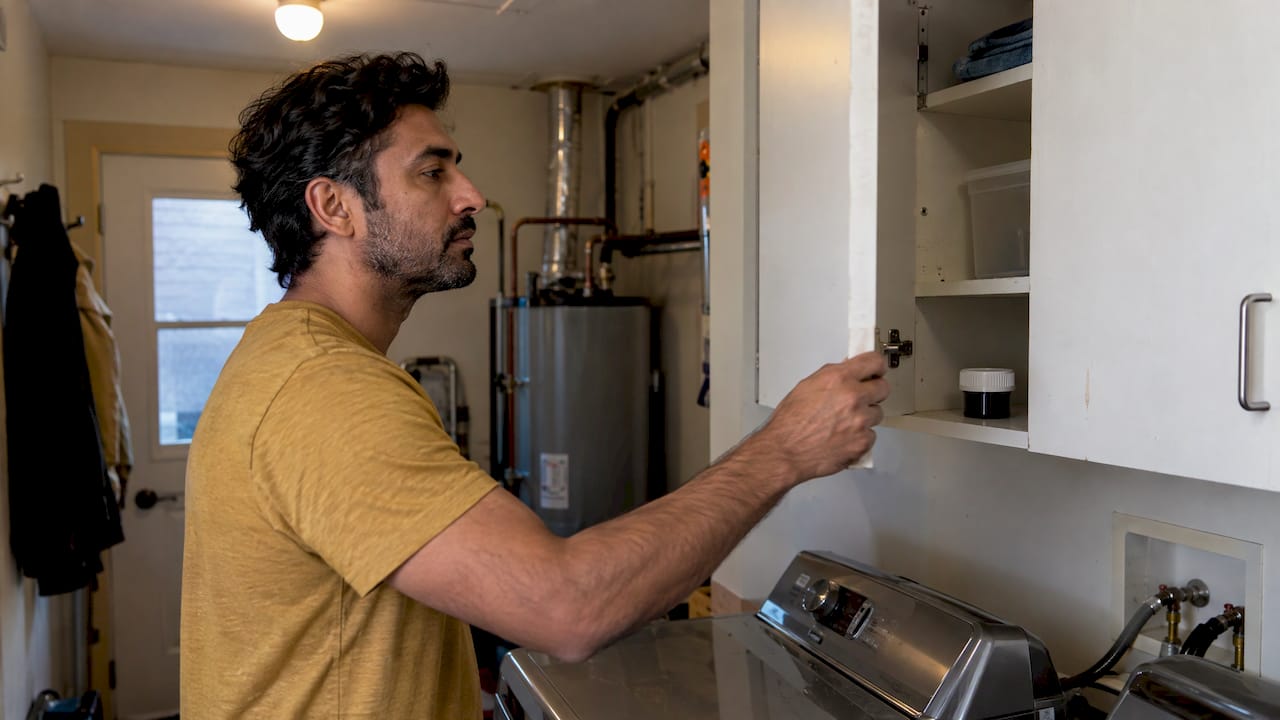
Shatter that has been kept warm can soften and lose its snap, so keep it somewhere cool and use a dry, clean tool when you cut off a piece.
Choosing shatter you can trust
For a concentrate, quality is mostly about what you cannot see: solvent left in the product, pesticides, and whether the label tells the truth about THC. Health Canada’s harm-reduction guidance advises choosing legal cannabis that is quality controlled and tested for contaminants and for THC and CBD accuracy.
When you compare listings, look for:
- a stated THC and CBD content per gram;
- a clear product description that tells you the format (shatter, wax, budder, resin);
- customer reviews of the specific product;
- sealed, child-resistant, labelled packaging.
It also helps to understand how concentrates differ from each other. Our pages on rosin versus resin, hash and distillate explain the neighbouring formats, and the quality grades guide helps with the terms you meet while shopping. For a look at one branded example, there is an article on Aftermath Extracts shatter.
What changed in Canadian rules recently
In March 2025, federal amendments streamlined parts of the cannabis regulations. According to Cassels, they repealed the 1 g limit on pre-rolled dried cannabis, slightly widened the use of ethyl alcohol to cover cannabis extracts intended for inhalation and topicals, and allowed co-packaging of dried cannabis, extracts, topicals and edibles in multi-packs. The same summary notes that THC limits on containers are unchanged. For a shopper, that means the strength of the product in your hand is still set by the label, so the label remains your best guide.
Our perspective
Most of the questions we get about shatter are not really about shatter. They are about how much, how fast and how to know what you are buying. New customers ask whether they should begin with a concentrate at all, and our answer is that there is no rush: flower and edibles teach you your own tolerance, and shatter will be there when you are ready.
What we want every buyer to have is information before checkout. That is why our product pages carry detailed descriptions and customer reviews, why we run live chat for instant answers, and why our help center is built to answer the practical questions people have after they order. A product this strong deserves a buyer who has read the label and knows their starting amount.
If you are an experienced user, we hope the range is useful: shatter, wax, budder, resin, hash and oils sit together in one concentrates category, so comparing formats is quick. If you use cannabis for therapeutic reasons, we encourage you to talk it through with your doctor and then use our pages to compare THC and CBD content carefully.
the author
Where to find shatter and related products
If you are ready to shop, start with our Cannabis Concentrates category, where shatter sits with wax, budder, resin, hash and oils, each with product details and customer reviews. We ship across Canada, and live chat is there if you want help choosing.

Pair a concentrate with the right accessories, or pick a gentler route with vapes and refills or edibles.
FAQ
Is shatter legal in Canada?
Shatter is a cannabis concentrate, and concentrates are among the product types Canadian rules cover. What is firmly illegal is making extracts with explosive solvents such as butane or propane outside regulated production, according to Health Canada. Check the rules of your province for purchase and possession, and you must be an adult to buy.
What does shatter look like?
It is a hard, translucent sheet, usually golden to amber, that breaks with a snap like glass. If a concentrate is opaque, crumbly or creamy, it is a different format such as wax or budder.
Can you put shatter in a joint?
Yes, CCSA notes that some extracts can be added to dried flower. The result is stronger than the flower alone, and Health Canada considers any smoked or vaped product above 10% THC to be high, so use a very small piece and wait before smoking more.
How long does shatter last?
When vaped, Health Canada says effects begin within seconds or minutes, can feel strongest after 10 to 30 minutes and may last 2 to 4 hours. Do not drive during that time.
How do I store shatter?
Keep it in a sealed, child-resistant container away from heat, and put that inside a lockbox or locked cabinet. CCSA notes that extracts are sensitive to heat and can break down.
Sources
- FNHA: What You Need to Know About Cannabis Concentrates
- CCSA: 7 Things You Need to Know about Cannabis Extracts (2019)
- Health Canada: Growing cannabis at home safely
- Health Canada: What you need to know if you choose to consume cannabis
- Health Canada: Cannabis for medical purposes, using a cannabis product
- Health Canada recall alert: accidental ingestion of illegal copycat edible cannabis products
- Cassels: Streamlining the Cannabis Regulations
Recommended
- A Deep Dive into Cannabis Shatter – From Origins to Popularity
- Cannabis Shatter: An In-Depth Guide to Its Origins, Production, Types, and Consumption Methods
