Articles
Rosin vs Resin: What Sets These Cannabis Concentrates Apart
Nov
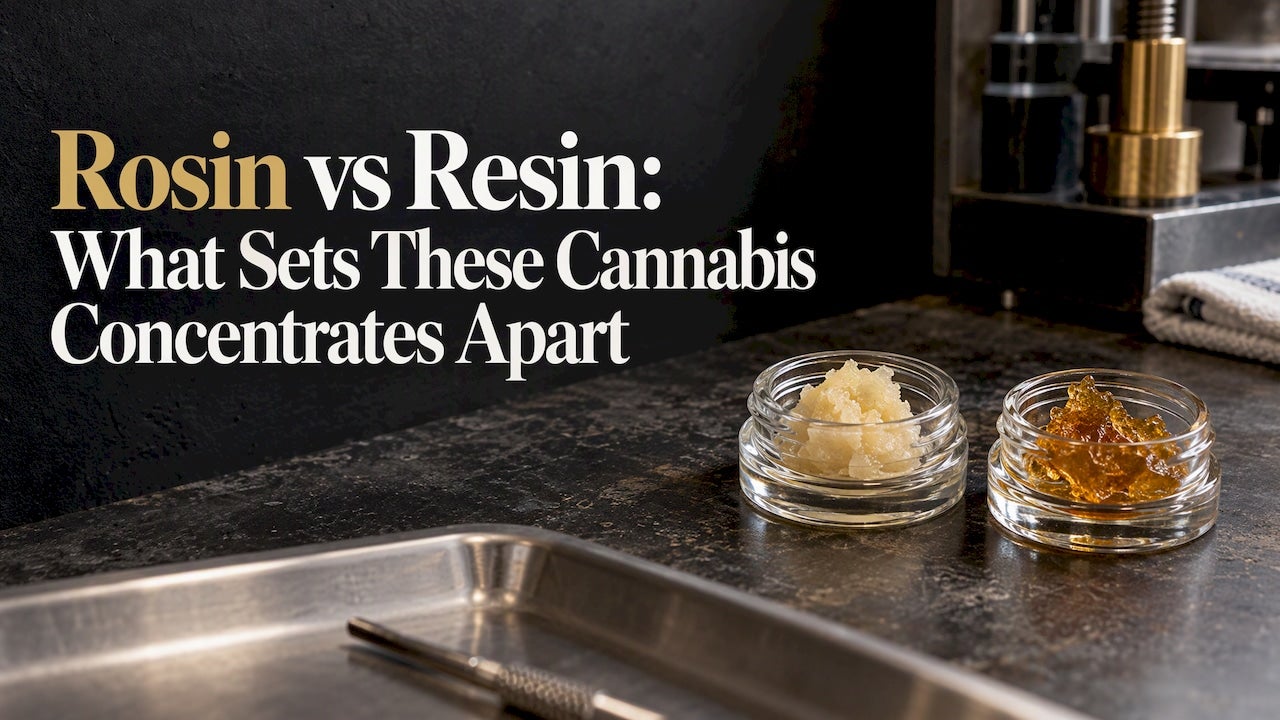
The difference between rosin and resin comes down to how the oil is pulled from the plant. Rosin is made with heat and pressure and no solvents. Resin is made with a hydrocarbon solvent such as butane or propane, which is then purged out. Both are concentrates, both can be made from fresh-frozen (“live”) or dried and cured plants, and both can be excellent. This guide shows you how they differ in flavor, price and labeling, and how to pick the one that fits the way you consume.
TL;DR
- Rosin is solventless: flower or hash is pressed between heated plates, and the oil squeezes out. It is typically the pricier of the two.
- Resin is solvent-based: a closed-loop system dissolves the cannabinoids and terpenes, then the solvent is purged and the product is lab-tested.
- “Live” describes the starting material (fresh-frozen plants), not a quality grade, and it applies to both rosin and resin.
- In Canada, concentrate labels must show THC and CBD in mg/g, so you can compare potency between products on the same basis.
- Choose rosin if you value a solventless process and a full-plant profile. Choose resin if you want a wide range of flavors and formats at a range of price points.
Table of Contents
- Rosin vs resin at a glance
- How rosin is made
- How resin is made
- What “live” means for rosin and resin
- Flavor and aroma: where you will notice the difference
- Strength and effects: which one gets you higher?
- What each costs in Canada
- Reading a concentrate label in Canada
- Choosing between rosin and resin
- Our perspective
- Shop rosin and resin with us
- FAQ
- Sources
Rosin vs resin at a glance
| Rosin | Resin | |
|---|---|---|
| Extraction | Heat and pressure, no solvents | Hydrocarbon solvent (butane or propane) in a closed loop |
| Starting material | Flower or hash, dried or fresh-frozen | Dried or fresh-frozen plant |
| Solvent purge needed | No | Yes, then lab-tested for residual solvents |
| Typical price | Higher on average | Lower on average |
| Where it is made | Small and large licensed producers | Licensed producers with solvent extraction authorization |
| Common formats | Dabs, hash rosin cartridges | Dabs, saucy concentrates, cartridges |
The rest of this page explains each row and what it means when you are standing in front of a product page.
How rosin is made
Rosin is the simpler process to picture. Plant material is placed between heated pads and compressed, and hot oil squeezes out. According to a scientific comparison from %DABSTRACT, rosin is produced with heat generally between 70 and 120°C plus pressure, which ruptures the trichome heads on flower or hash and releases the resinous oil.
Because pressing is mechanical, it is not selective. The same source notes that rosin can carry small amounts of plant waxes, lipids, microscopic plant particles and residual moisture alongside the cannabinoids and terpenes. That is part of why rosin is often described as a full-spectrum extract: it keeps the cannabinoid and terpene profile of the original plant, as Leafly explains.
Two things drive its character. The first is the input: pressing fresh-frozen hash gives a different result from pressing dried flower. The second is the press temperature and time, which shape texture and aroma. Rosin takes more labor and often has a lower yield than a solvent run, which is why it tends to cost more.
Hash rosin and flower rosin
Flower rosin is pressed directly from buds. Hash rosin is pressed from collected trichome heads (hash), and many shoppers see it as the more refined version. You will see both on product pages, and a hash rosin cartridge such as our High Voltage Extracts Live Hash Rosin Cartridge (0.5g) is a convenient way to try the style without a dab rig.
How resin is made
Resin is extracted with a solvent. In the usual method, plant material goes into a closed-loop system and butane or propane dissolves the cannabinoids and terpenes. Then the solvent is purged away. Leafly’s overview describes resin as a concentrate extracted this way, and notes that both rosin and resin can start from dried cannabis.
The solvent step is selective, and that is its strength. The %DABSTRACT comparison explains that hydrocarbon extraction under controlled temperature and pressure dissolves cannabinoids and terpenes while allowing refinement steps such as filtration and fractional separation. Producers can adjust terpene-to-cannabinoid ratios or reduce wax content. When the product is properly purged and lab-tested, residual solvent is reduced to trace amounts within strict regulatory limits.
If you want the deeper walk-through of how resin is produced and consumed, we cover it in our guide to cannabis live resin.
Why you will not make either one safely at home with solvents
Solvent extraction involves highly flammable gases. Under Canada’s Cannabis Act, section 12 prohibits altering cannabis’s chemical or physical properties with an organic solvent unless authorized, and it defines organic solvents to include compressed liquid hydrocarbons such as butane, isobutane, propane and propylene. In practice, solvent-based resin is a licensed-producer product. Buy it from a licensed source rather than trying to replicate it in a kitchen or garage.
What “live” means for rosin and resin
You will see “live rosin” and “live resin” more than the plain versions. “Live” means the extract was made from fresh-frozen plants instead of dried and cured flower. Fresh-frozen plants can be used for either rosin or resin, and the plain versions of each are made from dry plant material.
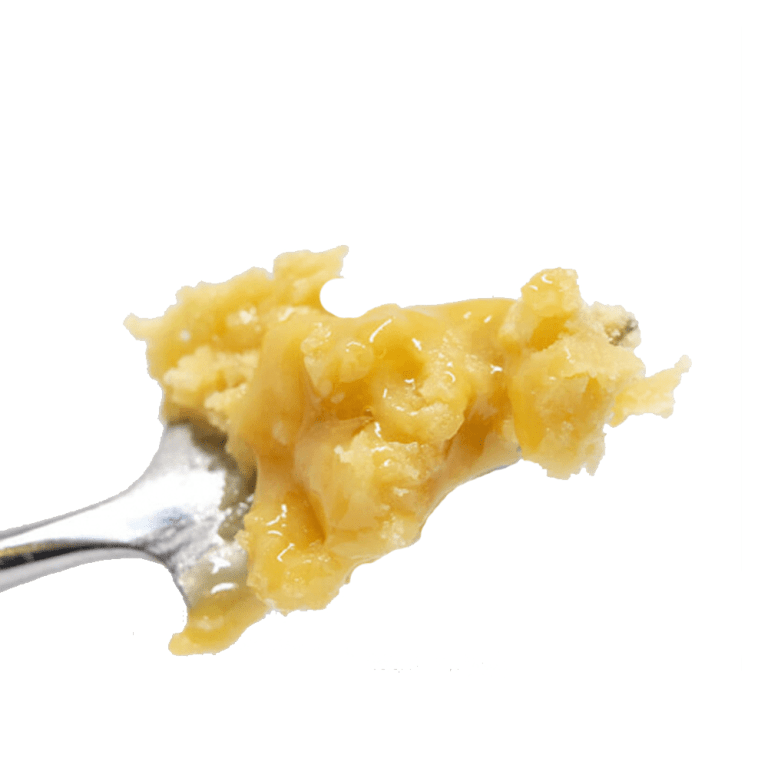
A useful way to read the word: it tells you about the starting material, not the final grade. A September 2026 explainer on extracts makes the same point: two extracts can both begin with fresh-frozen cannabis and still end up very different because of the extraction method and the processing afterward. So “live” is a good sign about the process, and the rest of the product page (cultivar, producer, lab results) tells you the rest of the story.
So you get four common combinations:
- Live rosin: fresh-frozen input, pressed, solventless.
- Live resin: fresh-frozen input, solvent extraction.
- Cured rosin: dried and cured input, pressed.
- Cured resin: dried and cured input, solvent extraction.
If you want to know what the word means for our own range, see our guide to the therapeutic side of live resin.
Flavor and aroma: where you will notice the difference
Most people notice flavor first. Research on this is limited and mostly produced by extraction-industry labs, so treat it as a useful illustration rather than a rule. In a cultivar comparison by Abstrax Tech using a Tropaya strain, rosin showed roughly a 6% increase in D-limonene compared with the flower, while live resin showed roughly a 13% increase. Five flavorists ranked live resin as the most citrus-heavy, then rosin, then flower. The rosin and live resin also had slightly lower amounts of a couple of fruity esters than the flower, which changed the fruity undertones without indicating lower quality.
The most practical takeaway comes from the %DABSTRACT analysis: choosing between live and cured starting material affects terpene expression more directly than choosing between solventless and solvent-based. If flavor is your top priority, look at whether the product is live first, then at the cultivar, then at the extraction type.
A quick guide to what that tends to mean for you:
- You want the bright, loud aroma of a fresh plant: look for live versions of either.
- You want a rounded, full-plant impression: rosin is built for that, since it keeps the profile of the original plant.
- You want a punchy, terpene-forward experience with a lot of variety: live resin offers many cultivars and formats.
Strength and effects: which one gets you higher?
This is the most-asked question, and the honest answer is that the extraction label alone does not decide it. Potency depends on the cultivar, the input, the producer’s process and the dose you use. Rather than guess from the word “rosin” or “resin,” read the label.
In Canada, the Cannabis Regulations define a cannabis concentrate as a substance with more than 3% w/w THC, taking into account the potential to convert THCA into THC. Concentrates are strong by definition. And Health Canada’s final regulations on new cannabis products require THC and CBD concentration on extract labels to be shown in milligrams per gram (mg/g), with net weight in grams. That makes comparing a rosin and a resin straightforward: put the two mg/g figures side by side.
What about the “entourage effect”, the idea that cannabinoids and terpenes work together? It is a popular reason people favor full-spectrum products. In a review in The Chemistry of Cannabis and Cannabinoids, Peter Duggan describes it as a form of “herbal synergy” with several proposed mechanisms, and notes that no clinical trials have yet validated it with medicinal cannabis. The practical lesson is to judge a product on its lab numbers and on how you feel with it, and to keep notes on which cultivars and formats suit you.
Dosing sensibly
Because concentrates are potent, start with a very small amount and wait before taking more, especially if you are new to dabbing or to a particular product. If you use cannabis for a medical reason, or you take other medication, talk with your doctor or pharmacist before adding concentrates to your routine. Cartridges and other formats with a set dose per puff make it easier to track your intake.
What each costs in Canada
Rosin generally costs more, because it is more labor-intensive to make. Leafly notes that rosins tend to be more expensive than resins. A peer-reviewed analysis of Ontario Cannabis Store data from the first quarter of 2022 puts numbers on that: the average price per gram was $54.82 for resin (range $13.97 to $109.90) and $62.92 for rosin (range $16.63 to $109.95).
Two details in that range are worth remembering. First, the ranges overlap almost completely: there are inexpensive rosins and premium resins. Second, those are 2022 figures from one province’s legal catalogue, so use them to understand the relationship between the two and not as today’s shelf prices. Check the product page for current pricing on anything you plan to buy.
How to compare value properly:
- Divide the price by the net grams on the label to get a price per gram.
- Compare the mg/g THC figures, since a higher number means more cannabinoid per gram.
- Factor in format: a cartridge costs more per gram than a jar of dab material, but it needs no equipment.
Reading a concentrate label in Canada
Labels are one of the easiest ways to separate a good product from a vague one. For extracts, the Health Canada final regulations require a list of ingredients, the product’s common name or function, a list of allergens, and its intended use (for example, “for vaping”), along with the mg/g potency and net weight. Under the Consumer Packaging and Labelling Act, a dealer cannot use a label with a false or misleading representation about a prepackaged product, including its type, quality or method of manufacture.
What to look for on a rosin or resin product page:
- The extraction type stated clearly: solventless pressing, or solvent-based.
- Starting material: fresh-frozen (live) or cured.
- THC and CBD in mg/g and net weight in grams.
- Cultivar name and the producer.
- Ingredients. A pure concentrate should be short; vape cartridges may list more.
On testing: Health Canada requires cannabis products to be tested for residual solvents. According to a summary of Canadian testing rules, the limit for butane and for propane in cannabis oil is 5,000 parts per million each. Licensed producers carry out that testing before sale, which is the reason a properly purged resin from a licensed producer is a sound choice.
Choosing between rosin and resin
There is no single winner. Use your priorities.
| If you care most about… | Consider |
|---|---|
| A solventless process | Rosin, especially hash rosin |
| The profile of the original plant | Live rosin |
| A bright, citrus-forward aroma | Live resin or live rosin |
| A wider choice of formats and price points | Resin |
| Easy use without equipment | A rosin or resin cartridge |
| Edibles | Check the label for the extract type used |
Some practical scenarios:
- First-time concentrate buyer: a cartridge is the gentlest way in. Go with a set dose and a clear mg/g figure.
- Flavor chaser: compare two live products from different cultivars, one rosin and one resin, and note which you prefer.
- Budget-conscious regular: resin typically offers more choice at lower prices, and you can save more with larger sizes. Compare per-gram cost.
- Cooking or edibles: the extraction method can change flavor in edibles, so read the product description for details.
A small point of vocabulary: the word “rosin” also names the tree-sap product violinists rub on their bows. That is unrelated to cannabis rosin, which is a pressed plant extract.
Our perspective
We see the same question from shoppers every week: which one is better? Our answer is that the better product is the one made well from good plants, labeled clearly and matched to how you use it.
That is why we put detail first. Every product page gives you the information you need to compare, and our live chat and help center are there when you want a second opinion on cultivars, formats or dosing. Rosin and resin both have a place in a well-stocked collection, and we carry concentrates, vapes and cartridges so you can try each style on your own terms.
If you are new, we suggest starting with a cartridge or a small quantity, reading the mg/g figure, and building from there. If you are experienced, live resin and hash rosin make for an enjoyable side-by-side. Either way, you are choosing among licensed-producer products with the numbers in front of you.
the author
Shop rosin and resin with us
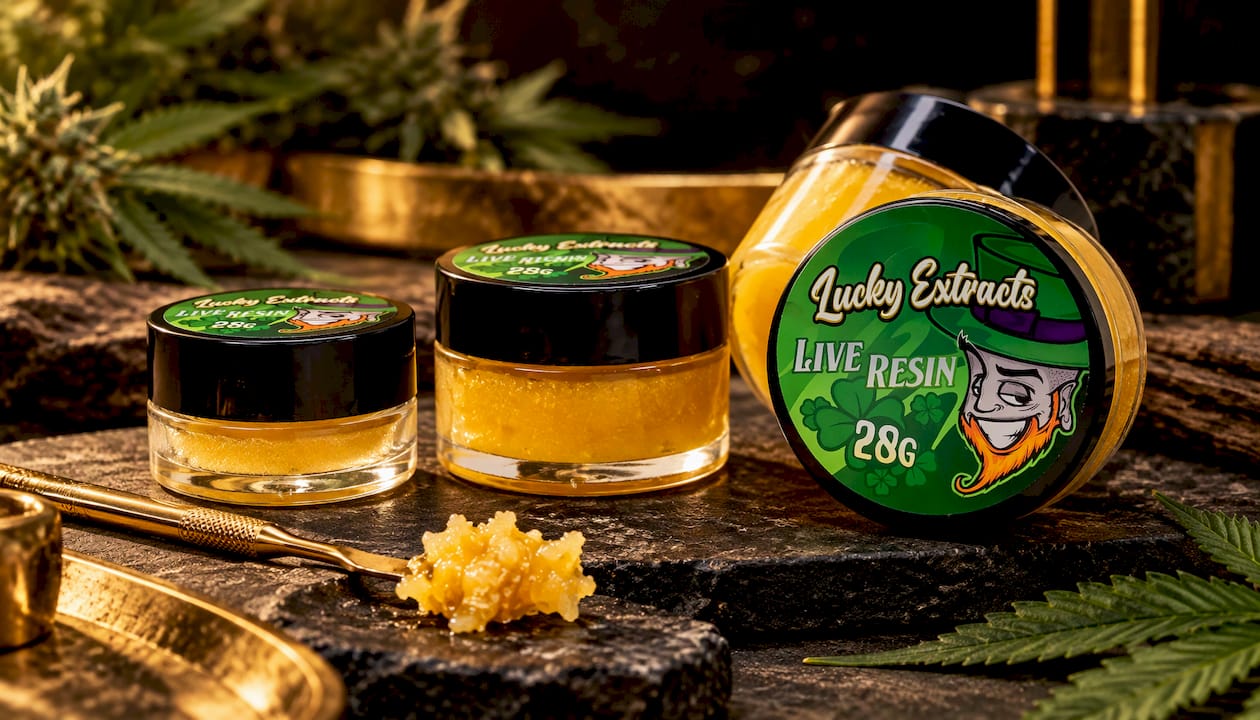
Our concentrates collection brings together shatter, oils, hash, wax, budder and live resin, with detailed product information, customer reviews and shipping across Canada. If you want solventless in a ready-to-use format, start with the High Voltage Extracts Live Hash Rosin Cartridge (0.5g). If you want to try live resin, look at the Lucky Extracts 1g live resin or the 2g option.
Not sure which suits you? Open the live chat and tell us how you like to consume. You can also browse our vapes and refills if you prefer cartridges.
FAQ
Does rosin or resin get you higher?
Neither is guaranteed to be stronger. Potency depends on the cultivar, the starting material and the producer, so compare the THC figure in mg/g on each label. Concentrates in Canada, by regulation, contain more than 3% THC, so start with a small amount either way.
Is rosin better than resin?
It depends on what you value. Rosin is solventless and tends to cost more, while resin offers a selective extraction with refinement steps and is tested for residual solvents. Many shoppers keep one of each and choose by mood and occasion.
What is special about rosin?
It is made with only heat and pressure, so no solvent is involved in extraction. It is also described as a full-spectrum extract that keeps the cannabinoid and terpene profile of the original plant, and the process is labor-intensive.
Why do people choose live resin over rosin?
Flavor, variety and price are the usual reasons. In one flavorist panel, live resin was ranked the most citrus-heavy, and resin products usually cost less per gram on average. Live resin is also widely available in many cultivars and formats.
Is live rosin or live resin made from different plants?
No. Both can start with fresh-frozen cannabis. The “live” label refers to the starting material, and the difference between the two lies in the extraction method: pressing for rosin, solvent for resin.
Sources
- Leafly: What is rosin and how to make it
- Leafly: What is live rosin
- %DABSTRACT: Resin vs. Rosin, a scientific look
- Huawen: What Does “Live” Mean in Cannabis Extracts?
- Abstrax Tech: Resin, Rosin or Flower?
- The Chemistry of Cannabis and Cannabinoids
- Cannabis Regulations (SOR/2018-144)
- Health Canada: Final Regulations on New Cannabis Products
- Consumer Packaging and Labelling Act, section 7
- Cannabis Act, section 12
- Cannabis testing regulations in Canada
- Frontiers in Psychiatry: Ontario cannabis products study
Recommended
- Unlocking the Potential of Live Resin: Therapeutic Benefits Revealed
- The Ultimate Guide to Cannabis Live Resin: Creation, Production, Qualities, and Consumption
- Cannabis Distillate: Exploring Its Origins, Production, Types, and Consumption Methods
- Unveiling the Mysteries: A Deep Dive into Cannabis Shatter – From Origins to Popularity
